


Inflation is disappointing those in the anti-tariff crowd. Consumer behavior is also confounding the situation as spending appears to be above expectations. At this point, it's almost as if the market pundits are a little superstitious.  The inspiration for this week’s musings is the 1972 hit song “Superstition" by Stevie Wonder. Here’s some trivia about the song:
- The song was released in October of 1972 and quickly reached #1 by January of the following year. It was Wonder's first number one hit and was one of his most successful songs commercially - selling more than 2 million copies. The song was actually sold more copies in the U.K. than the U.S.
- The song came together quickly as it was something Wonder had been playing around with during a recording session. The song was intended for Jeff Beck to record, as he was helping Wonder in the studio record songs for his album "Talking Book." However, Motown executives realized the song could be a hit and released Wonder's version before Beck could release his recording of the song. Beck felt shortchanged and make comments publicly that Wonder didn't appreciate.
- The song was recorded at Electric Lady Studios, which is where Jimi Hendrix recorded. The studio stayed active even after Hendrix's death in 1970.
- Several artists have covered this song including The Jackson 5 and Jeff Beck. None made much impact until Stevie Ray Vaughn and his band Double Trouble recorded a version live in 1986.
"Very superstitious, writings on the wall
Very superstitious, ladder's 'bout to fall
Thirteen month old baby, broke the lookin' glass
Seven years of bad luck, the good things in your past
When you believe in things that you don't understand
Then you suffer
Superstition ain't the way, yeah"
Here's what we've seen so far this week.
Do They Understand Tariffs? It was said that tariffs would cause inflation to rise. It was said that tariffs would bring consumer spending to a halt.  Well, none of that seems to be coming to fruition. There are two key factors that undermine why the tariff wars have not affected the economy as much as expected. First, as we pointed out back in early April, the U.S. consumer accounts for
  34% of global household spending, or $18.2 trillion. Other countries cannot afford to replace the U.S. consumer without taking a hit to their local economy, which means they will be willing at some point to negotiate a deal. Second, at least 72% of revenue for S&P 500 companies comes from domestic sales. This mitigates the effect of tariffs on earnings. Tariff revenues have now hit more than $100 billion in 2025 and it does not seem to have affected consumer behavior. Retail Sales for June were released this week and though sales were expected to be slightly positive (+0.1%) they surprised to the upside at +0.6%. Redbook Sales, which is the weekly number, have followed suit, remaining above average all year. While the White House has been dubious in announcing trade deals, the reality is the U.S. consumer is king and rest of the world will continue seeking out U.S. consumer demand. As Stevie Wonder puts it, "When you believe in things that you don't understand, then you suffer."
Writings On The Wall? The inflation numbers disappointed those who expected tariffs show up in the June data. While CPI did rise in June, it  wasn't due to tariffs. The key area affected by higher tariffs - Apparel, Motor Vehicle Parts & Maintenance, and New Vehicles - were only slightly higher or down. Energy costs were the key driver for the +0.3% June increase. When it comes to PPI, it doesn't appear that producers saw much change in their costs due to tariffs,
  as the June number came in at 0.0%. In fact, the consensus estimate was for a +0.2% increase in PPI for June and yet, all 50 economists who published their PPI expectation got it wrong. Perhaps economists were put on earth to make weather men look good. Back in May, the CEO of The Home Depot stated on the company's quarterly earnings call that they were not going to pass along any rising costs due to tariffs. The CFO, Richard McPhail, backed up his CEO when he stated, "Because of our scale, the great partnerships we have with our suppliers and productivity that we continue to drive in our business, we intend to generally maintain our current pricing levels across our portfolio." To top things off, the number of mentions of inflation in S&P 500 transcripts of earnings calls has reached a 4-year low. Stevie said it best when he said, "Superstition ain't the way, yeah."
Stick To Fundamentals And Let Others Be Superstitious. A better approach to worrying or being superstitious about markets is to follow a sound  investment plan and to watch the economic fundamentals. Fed Chairman Powell and other Fed speakers have referenced inflation from tariffs that "will come." Instead of worrying about what will or may come, just watch the data. For instance, both Industrial Production and Manufacturing Production surprised to the upside this week. Industrial Production
  came in at +0.3%, with only +0.1% expected. Manufacturing Production was expected to be flat at 0.0%, but was positive at +0.1% and last month's number was revised higher at +0.3% from the original +0.1%. Manufacturer's New Orders shows economic expansion, not deceleration typically associated with a recession. The Chicago Fed's National Financial Conditions Index shows continued loosening of financial conditions, which means there's no immediate threat to economic growth. The Fed's own estimate of July inflation, as published by the Cleveland Fed, stands in stark contrast to Powell and other Fed speakers as the year-over-year number for CPI is expected to be flat next month. For now, investors would be better served in following data, not market pundits and economists.
Here's the song live in 1974...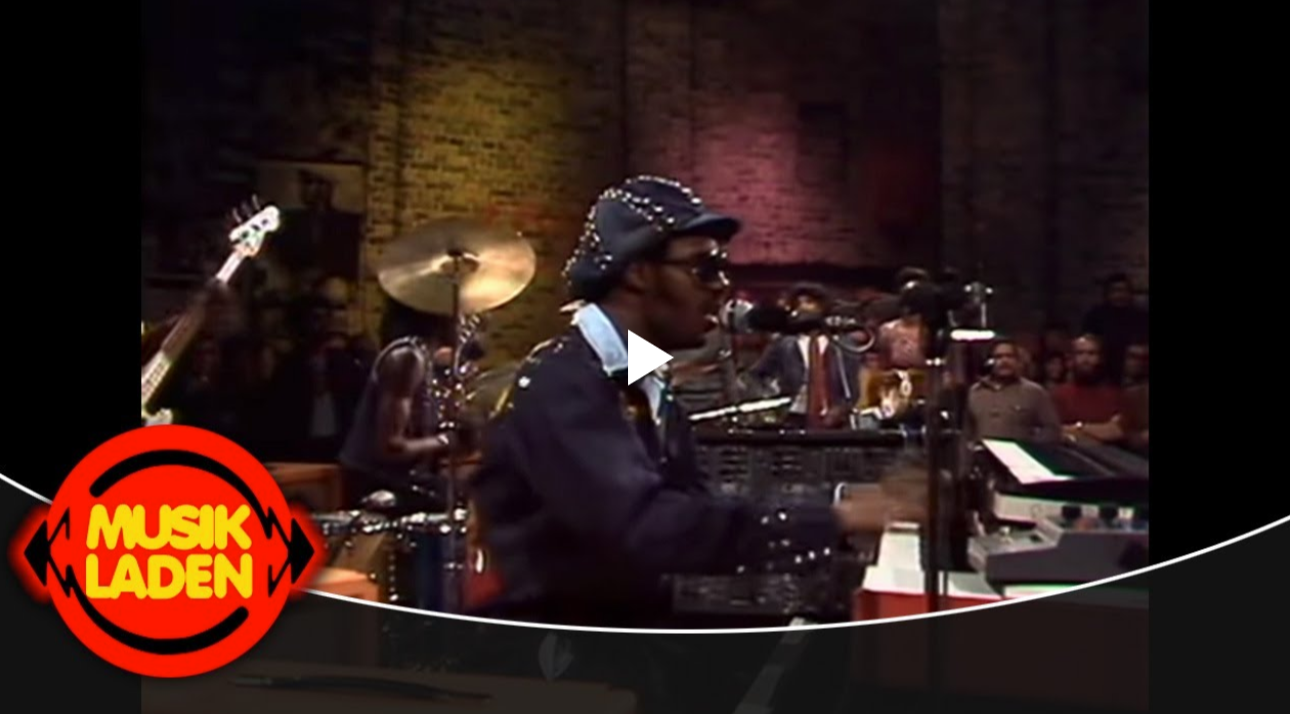
______________________________________________________________________________________________________________________________
Disclosures
The information contained herein is for informational purposes only and is developed from sources believed to be providing accurate information. The opinions expressed are those of the author, are for general information, and should not be considered a solicitation for the purchase or sale of any security. The decision to review or consider the purchase or sell of any security should not be undertaken without consideration of your personal financial information, investment objectives and risk tolerance with your financial professional.
Forecasts or forward-looking statements are based on assumptions, may not materialize, and are subject to revision without notice.
Any market indexes discussed are unmanaged, and generally, considered representative of their respective markets. Index performance is not indicative of the past performance of a particular investment. Indexes do not incur management fees, costs, and expenses. Individuals cannot directly invest in unmanaged indexes. The S&P 500 Composite Index is an unmanaged group of securities that are considered to be representative of the stock market in general.
Past Performance does not guarantee future results.